

Specialty Trade Contractor Insurance, by Trade
Every trade is underwritten differently. That sounds obvious until you look at what it means in practice. A roofer and a finish carpenter can run the same size business, on the same jobs, for the same general contractor, and be quoted by entirely different carriers at rates that differ by an order of magnitude. The work drives it, not the size of the company.
That is the argument for working with someone who knows your trade specifically rather than someone who writes contractors generally. A generalist agent can get you a policy. Knowing which markets have appetite for torch-down roofing, which general liability forms quietly exclude tract homes, or which workers compensation classification your framing crew actually belongs in is a different kind of knowledge, and it is the kind that shows up in your renewal.
Below are the trades we work in most often. If yours is not listed, the underwriting questions are usually more similar than they look.
By trade
The trades
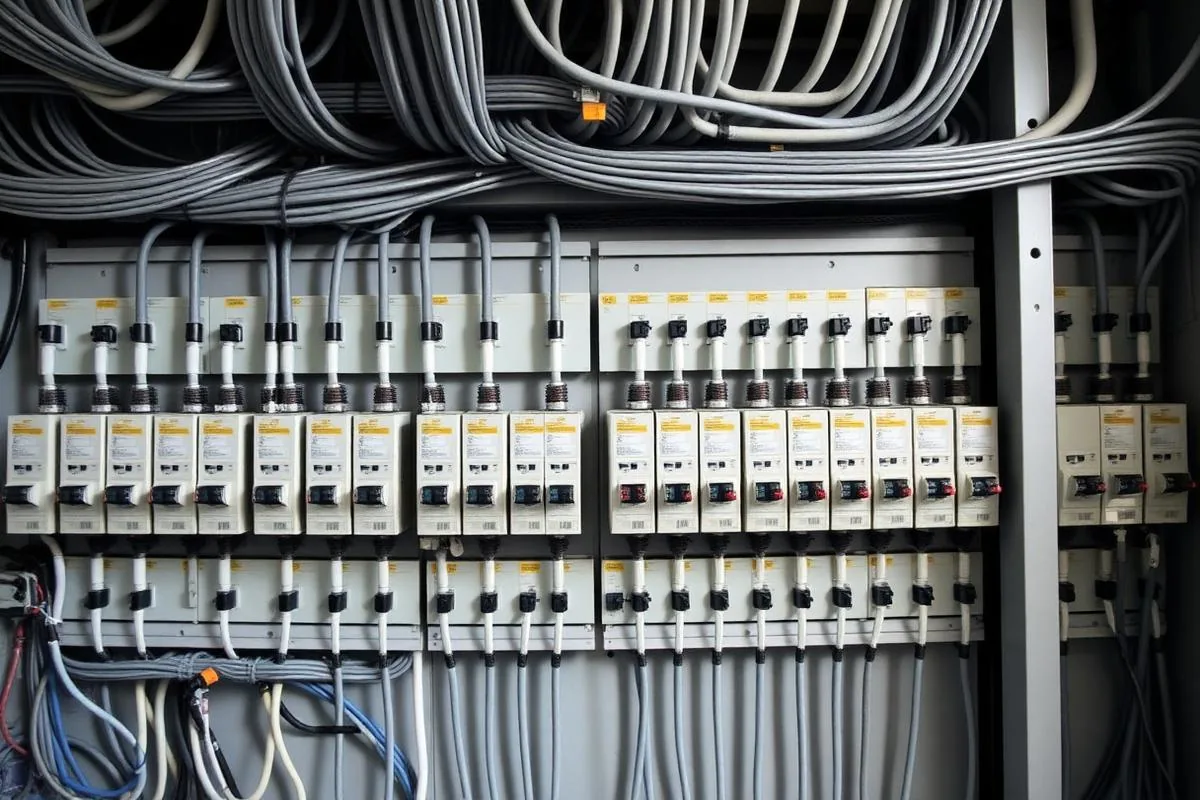
Electrical Contractors
Low frequency, high severity. When electrical work fails it often fails as a fire, which puts the umbrella limit at the center of the program. Design and specification work adds a professional exposure that general liability does not touch.
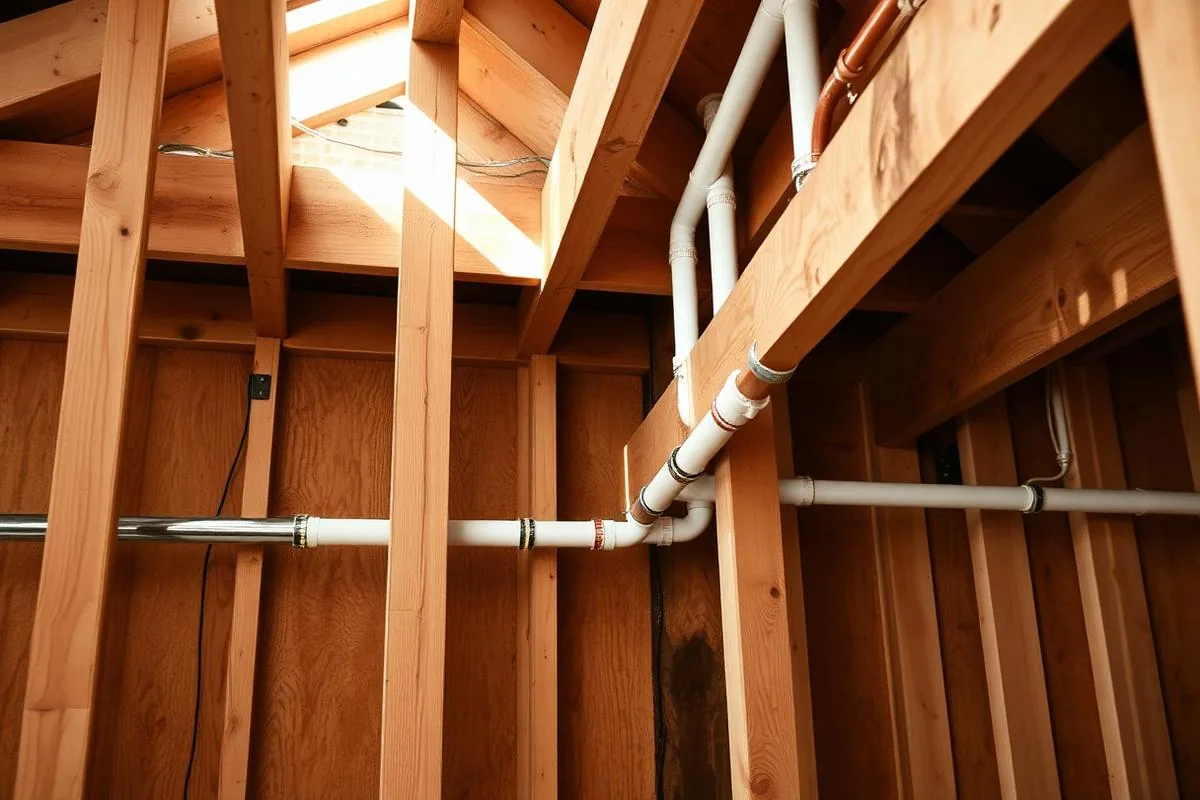
Plumbing Contractors
Water finds everything, keeps developing after the leak stops, and brings mold behind it. The severity driver is the building, not the pipe, and the fungi and bacteria exclusion is where the money hides.
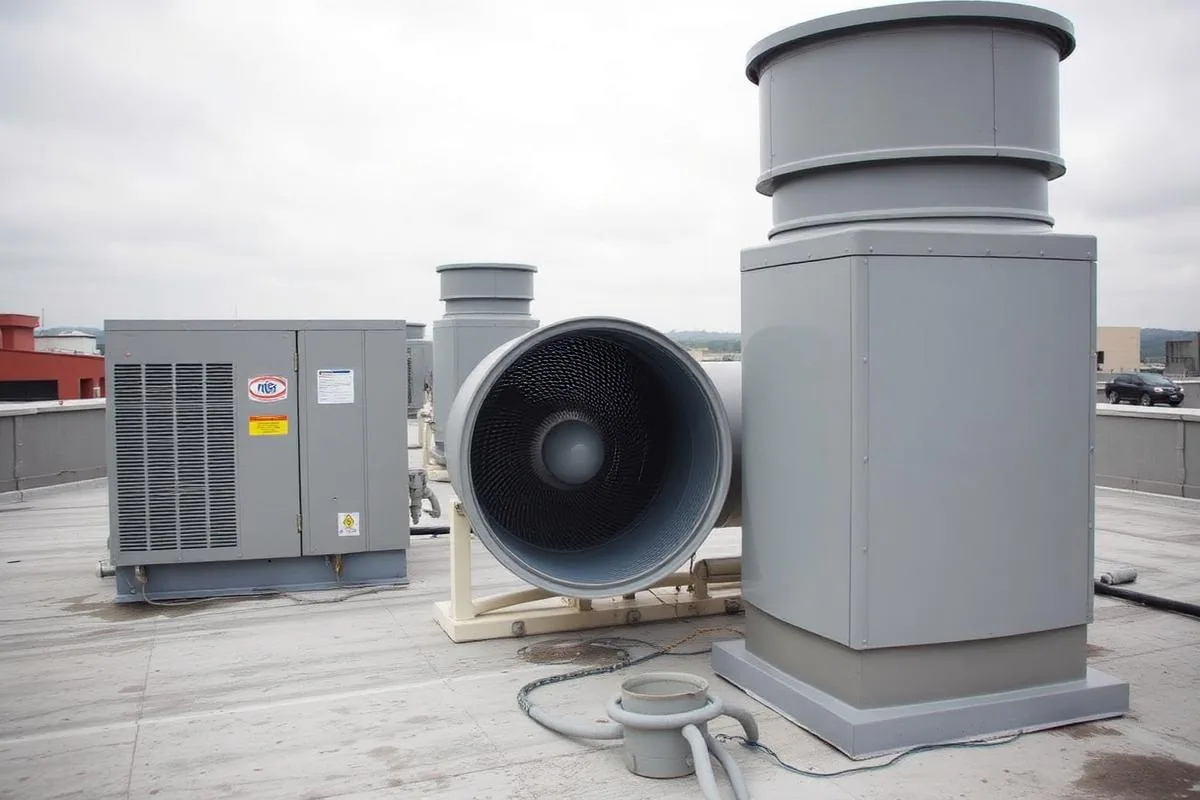
HVAC and Mechanical Contractors
The widest exposure set of any trade. Refrigerants, fuel, hot work, roof access, rigging, and service agreements that assume liability your policy may not cover.
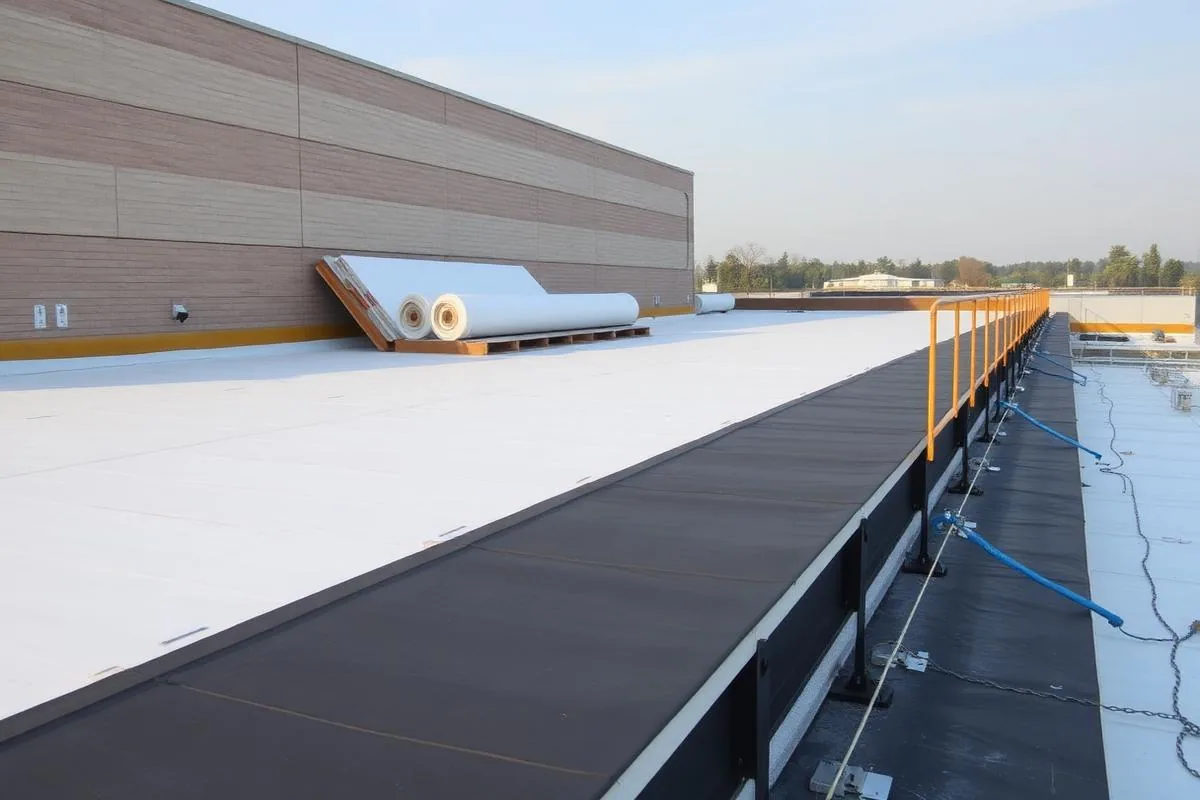
Roofing Contractors
The hardest trade in construction to place, and not by a small margin. Fall severity, open roof exposure, and a class loss history shaped by operators who are not in the business the way you are.

General Contractors and Builders
Your program is mostly a set of questions about other people's insurance. Subcontractor default, risk transfer that has to hold up in the state where the job sits, and the per-project aggregate.

Carpentry and Framing Contractors
More money rides on classification here than anywhere else in the trades. Framing and finish carry very different rates, and tract work brings residential exclusions most contractors never find in their own policy.
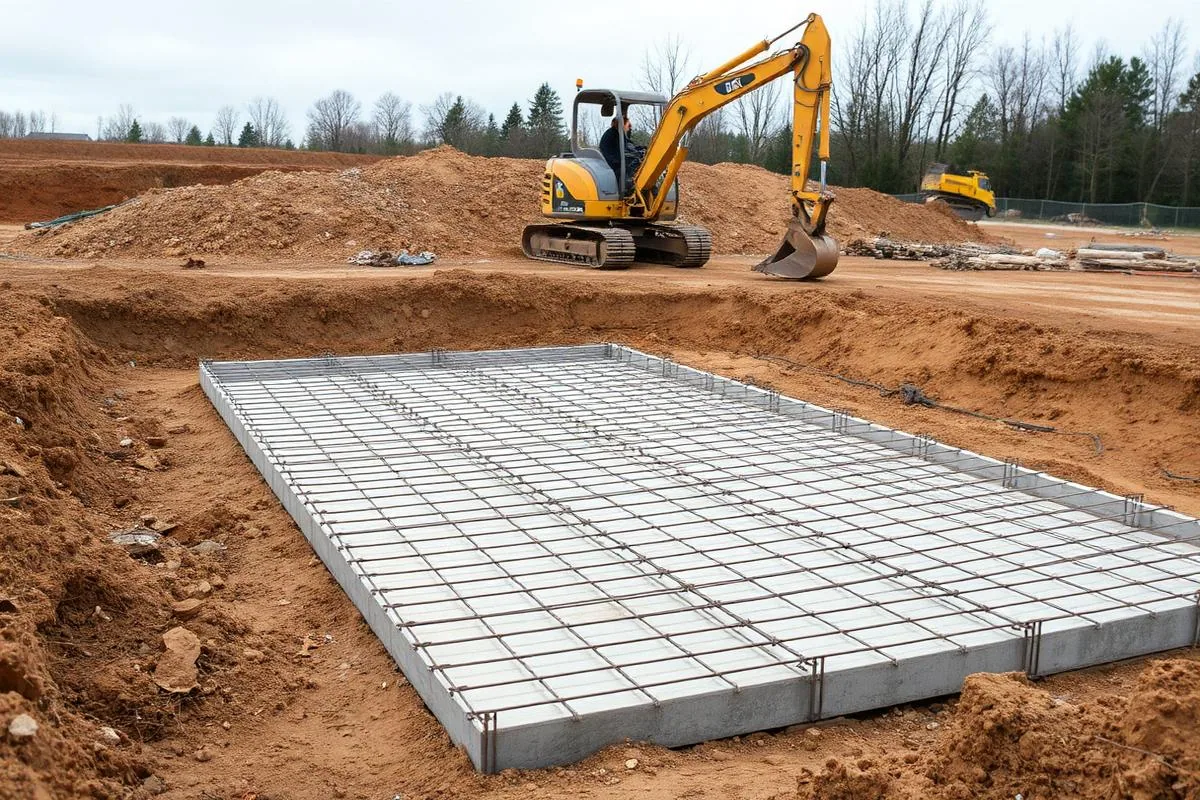
Sitework, Excavation, and Concrete Contractors
Much of what goes wrong is damage to the earth or to what is buried in it, and standard policies handle that badly. Utility strikes, trench collapse, dewatering discharge, and earth movement exclusions.
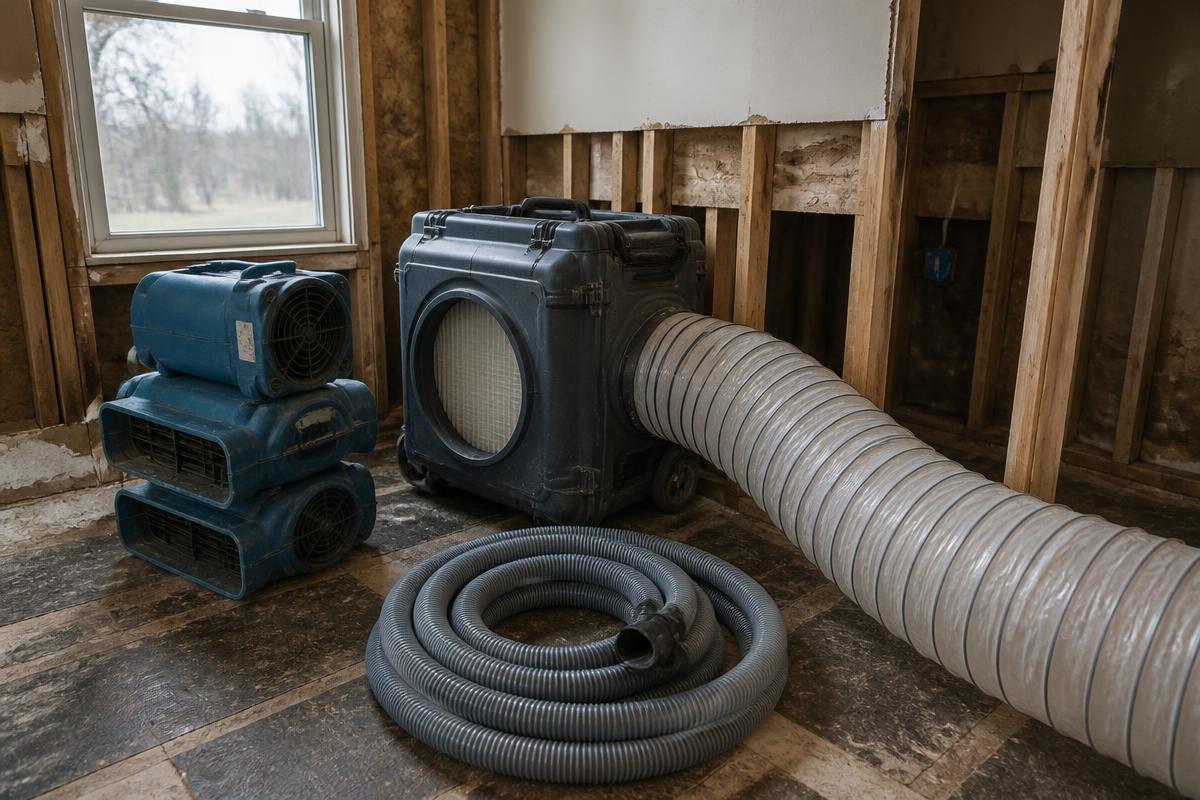
Restoration Contractors
Water and fire mitigation, mold and microbial exposure, customer contents, catastrophe response, specialized equipment, and reconstruction after the loss.
Common ground
What every trade has in common
The exposures differ. The four questions underneath them do not, and they are the same four we work through on every review regardless of trade.
The classification question
Workers compensation class codes and general liability payroll allocation drive most of what a contractor pays. Codes assigned quickly when the business was smaller, and never revisited, cost real money in one direction or set up an audit adjustment in the other. This is the single most common finding on a first review, and it is almost always worth more than a rate negotiation.
The contract question
Additional insured for ongoing and completed operations, primary and non-contributory, waiver of subrogation, per-project aggregate. Every contractor signs for these. Fewer have confirmed their policy actually delivers them, and the endorsement behind the certificate is what determines the answer. A certificate is evidence, not coverage.
The completed operations question
Construction claims arrive years after the crew drove away. What generally responds is the policy in force when the work was performed, which means a lapse, a carrier change, or a retroactive date that starts today can create a gap in work you already finished and cannot go back and fix.
The subcontracted labor question
Every dollar paid to an uninsured subcontractor can return as your payroll at audit, and their work can return as your liability at claim. Certificate collection is not administrative housekeeping. It is risk transfer, and it either functions or it does not.
Trades beyond the seven above
We also work with drywall and interior finish, masonry, painting, landscaping, restoration, fire protection, glazing, flooring, solar, and steel erection contractors. Dedicated pages for several of these are in progress. In the meantime, the conversation is the same one.
Who we work best with
Specialty trade contractors in all 50 states. We are at our best with firms doing between $500,000 and $20 million in annual revenue, generally five to one hundred fifty employees. That is the range where a business has clearly outgrown the policy it started with, and where the difference between an adequate program and a well-built one starts showing up in real dollars.
Let’s look at what you have
Send us your current policy, including every endorsement, and tell us what your contracts require. We will tell you where the two do not line up. It costs nothing, and it does not obligate you to move anything.
Working with specialty trade contractors in all 50 states, at our best with firms between $500,000 and $20 million in annual revenue.
The information on this page is general in nature and is not a statement of coverage or a contract. All coverage is subject to policy terms, conditions, exclusions, and carrier underwriting. Availability varies by state, class of business, and individual risk.